Customizing Passenger Information Systems for Tourists and Daily Commuters


Xenatech
January 5, 2026

Every transit rider wants to get where they’re going without confusion. But the way riders use transit information depends on who they are and why they’re traveling.
Think about it this way: A daily commuter wants quick confirmation that everything is running on time. A tourist unfamiliar with a new city needs help understanding the system itself.
That difference creates a challenge for transit agencies, and it’s where customizable passenger information systems can make all the difference. Here’s how.
Daily Commuters’ Needs: Speed, Efficiency, and Real-Time Updates
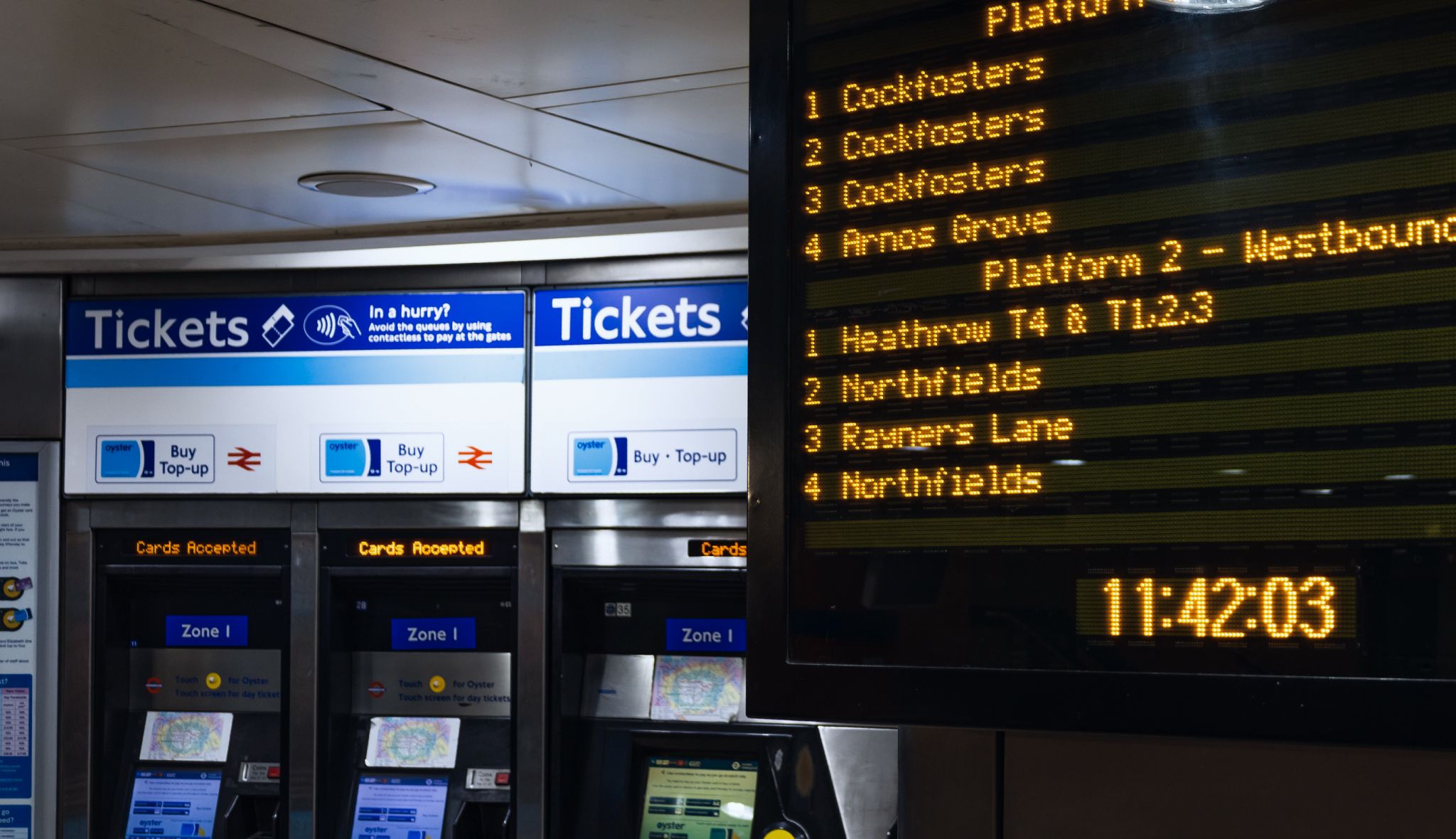
Most commuters already understand the transit system. They don’t need explanations or extra context—they need fast, reliable confirmation. For daily riders, an effective passenger information system should focus on:
- Accurate arrival predictions delivered in real time
- Immediate alerts for delays or service disruptions
- Consistent information across platforms, onboard displays, and mobile apps
- Updates that can be understood at a glance
When commuters trust the information they see, they can adjust routes, time transfers, and move through stations more efficiently, especially during peak travel times.
Tourists’ Needs: Clarity, Maps, and Wayfinding
Tourists experience transit very differently. Unfamiliar station names, unclear signage, and confusing transfers can quickly turn a simple trip into a stressful one.
For visitors, passenger information systems need to help answer basic questions, like:
- Am I on the right train or bus?
- Where am I right now, and what’s the next stop?
- How do I transfer without getting lost?
- Can I understand this if I don’t speak the language?
Clear information doesn’t just help tourists feel more confident, either. It keeps operations running smoothly by reducing hesitation, missed stops, and congestion.
Designing for Both: Layered Information and Adaptive Systems
Serving commuters and tourists doesn’t require two separate systems. It requires layered information.
A modern passenger information system delivers essential updates (like arrival times and service alerts), while making additional context available when needed. That might mean displaying simple countdown timers for frequent riders while offering maps, directions, or expanded messaging on certain screens or mobile apps.
Future Trends: What’s Improving
Passenger information systems are getting better at answering the questions riders care about most: When is my train coming? Has anything changed? Where do I go next?
As systems evolve, agencies are looking at ways to:
- Improve the accuracy of arrival times
- Make mobile updates easier to scan and understand
- Help riders navigate complex stations more confidently
- Use ridership data to make smarter service decisions
How We’re Making Transit More Efficient
The technology may change, but the focus stays the same—clear information, delivered when it matters. At XenaTech, we continue to help transit agencies move in that direction.
For example, XT-PIDS integrates real-time location and schedule data and delivers consistent updates across station displays, onboard screens, audio announcements, and mobile applications. Because the system is designed to integrate with existing infrastructure, agencies can improve how information is shared without replacing the systems they already rely on.
XenaTech also builds custom mobile applications that extend the same real-time information beyond the platform, helping riders access arrival times, service updates, and trip details wherever they are.
See What Better Passenger Information Systems Can Do
Ready to improve rider information without overhauling your entire transit operation? XenaTech can help. Let’s talk about how XT-PIDS and XenaTech’s custom solutions can support your network. Schedule a demo today!
Don’t Miss Out
Be the first to know about new developments in fleet management, public transportation solutions, and smart city applications.