Managing Transit Disruptions with Intelligent Transportation Systems


Xenatech
May 1, 2026

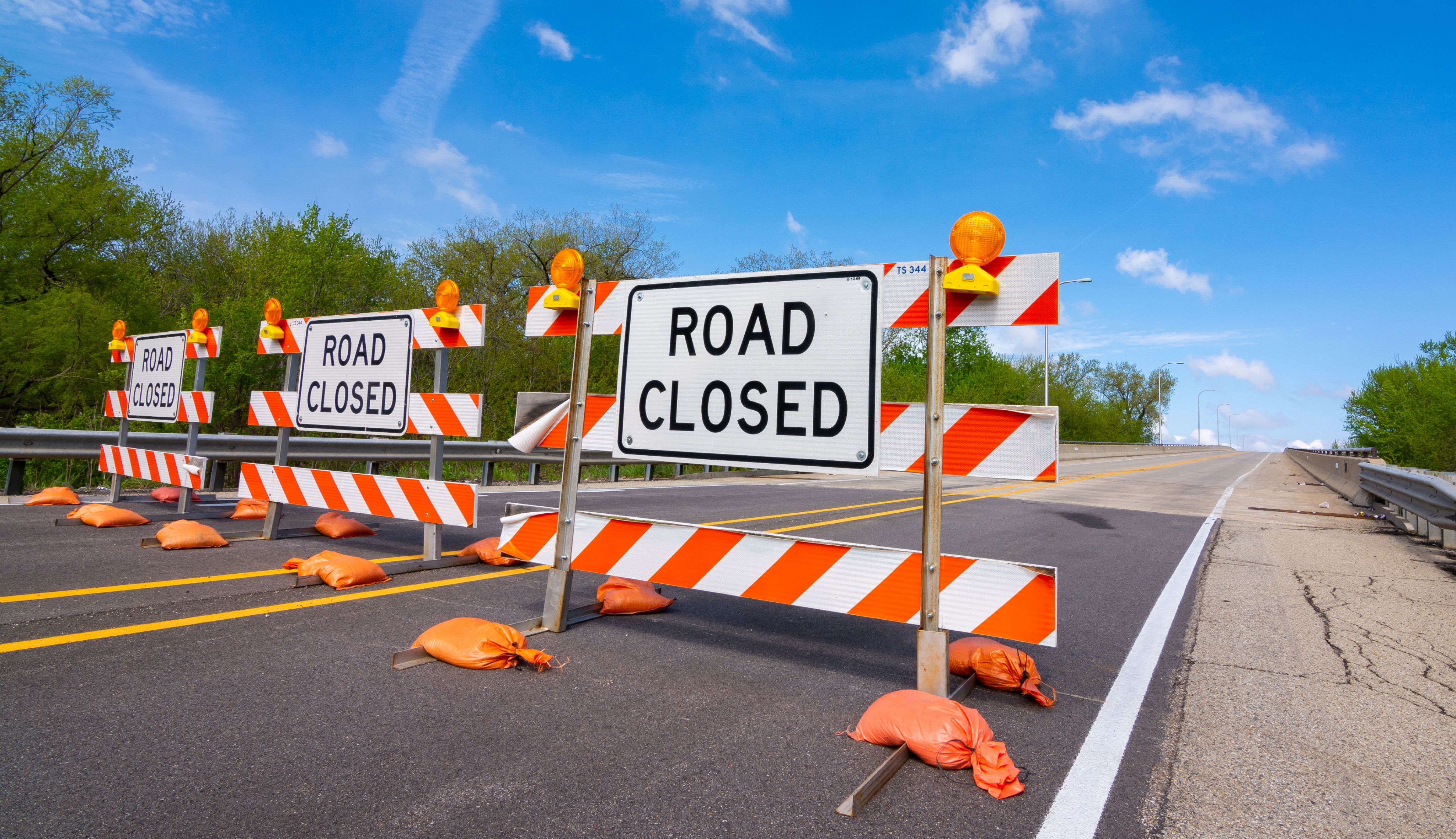
Transit disruptions are a fact of life in public transportation. Delays happen. Incidents occur. The real measure of a transit agency's performance isn't whether disruptions happen, it's how effectively they are managed and communicated when they do. That's where intelligent transportation systems make the difference between a minor inconvenience and a full-scale breakdown of rider trust.
Disruptions Create Information Gaps. And Gaps Create Problems
When a transit incident occurs, information changes rapidly and early reports are often incomplete. Operations teams must assess evolving conditions while coordinating across departments, systems, and external stakeholders, all while communicating updates that may change within minutes.
This is the core challenge of transit incident response: the information environment moves faster than manual processes can manage. Without systems designed to handle that pace, agencies are left trying to coordinate a dynamic event through static tools, while riders are left in the dark.
Key takeaway: Transit disruption management isn't just an operations problem, it's an information problem. The agencies that solve for information flow solve for rider experience.
What Happens Without Strong Systems in Place
When transit agencies rely on manual communication during disruptions, the consequences compound quickly. Updates are delayed because information has to pass through multiple people before it reaches riders. Different communication channels end up broadcasting conflicting messages because they're updated independently and at different times.
The result is rider confusion that, repeated across enough incidents, eventually becomes rider distrust. Passengers who can't rely on accurate, timely information during disruptions stop relying on the service altogether. Transportation resilience depends on more than physical infrastructure, it depends on information infrastructure.
Key takeaway: Manual communication processes can't keep pace with real-time disruptions. Inconsistent updates across channels do more damage to rider confidence than the disruption itself.
How Intelligent Transportation Systems Close the Gap
Intelligent transportation systems (ITS) are purpose-built to address the information challenges that make transit incident response so difficult. By centralizing real-time data from across the network, including vehicles, sensors, control centers, and third-party feeds, ITS platforms give operations teams a single, accurate view of what's happening and where.
That unified data layer enables faster decision-making. When supervisors can see the full picture in real time, they can respond to developing situations before they escalate. Automated alerting removes the manual step of pushing updates to riders, reducing lag time from minutes to seconds. And because the system distributes information across all rider touchpoints, including mobile apps, station signage, SMS alerts, and third-party platforms, there's no lag and no conflicting message problem.
Real-time transit control capabilities also allow agencies to adjust operations dynamically: rerouting vehicles, adjusting schedules, and deploying support resources based on live conditions rather than assumptions.
Key takeaway: Intelligent transportation systems replace fragmented, manual processes with centralized, automated coordination, to enable faster response and consistent communication across every rider touchpoint.
Communication Is the Core of Transportation Resilience
Transit disruptions will always happen. What distinguishes high-performing agencies is their ability to manage those disruptions in a way that keeps riders informed, minimizes confusion, and preserves trust. Intelligent transportation systems provide the foundation for that capability by centralizing data, enabling real-time decision-making, and ensuring that when something goes wrong, riders know about it immediately and accurately.
Building transportation resilience means investing in the systems that make good communication possible at the moment it matters most.
Don’t Miss Out
Be the first to know about new developments in fleet management, public transportation solutions, and smart city applications.