Multimodal Transit Integration: Connecting Buses, Rail, and Smart Mobility


Xenatech
April 2, 2026

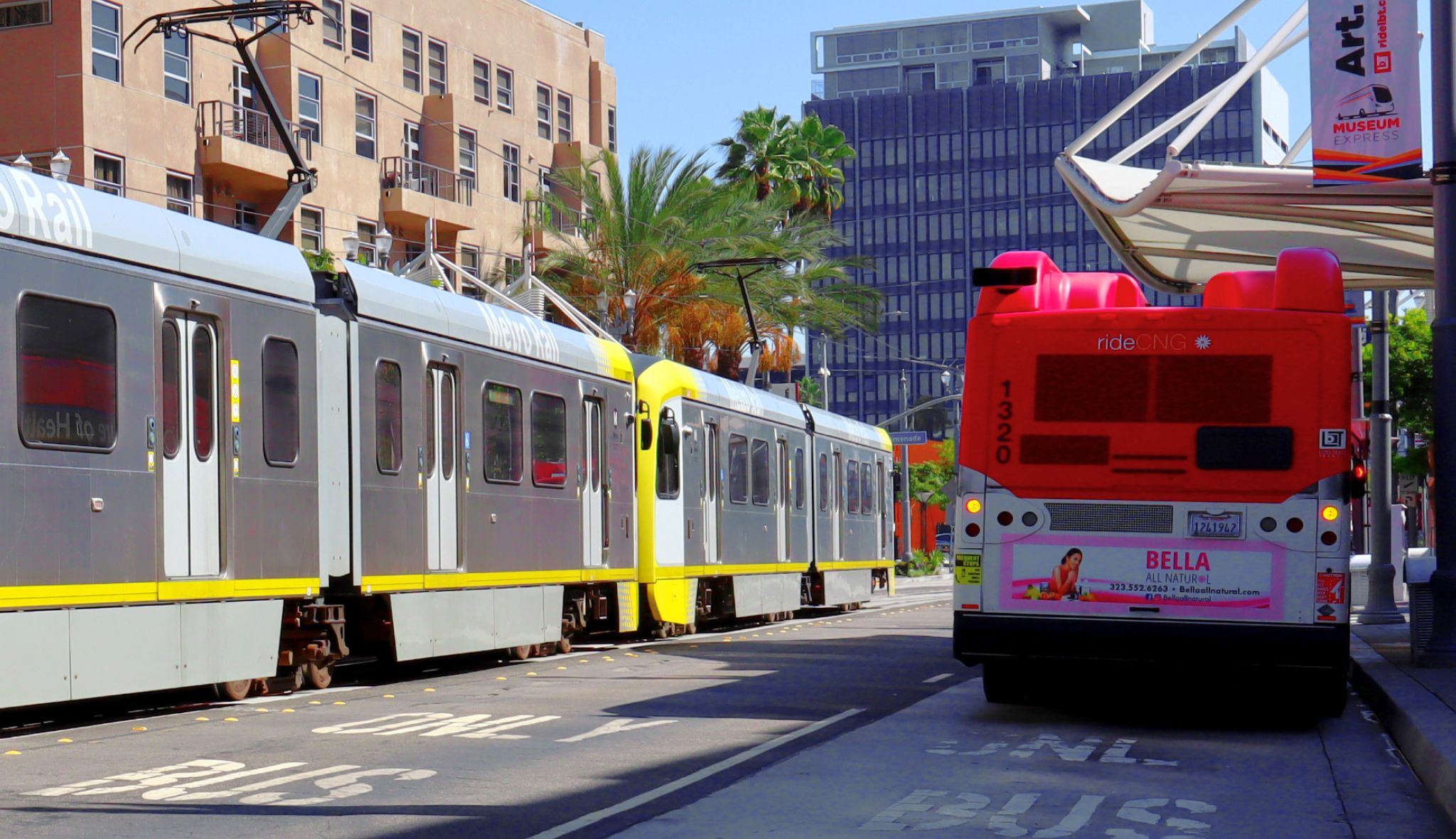
Transit systems are rapidly evolving toward fully integrated networks that connect buses, rail, and emerging mobility options into a single, seamless experience. Instead of forcing riders to navigate disconnected systems, modern transit aims to reduce friction across planning, payment, and travel—delivering one continuous journey from origin to destination.
The Shift Toward Seamless Travel
Today’s riders no longer think in terms of individual transit modes—they expect complete, door-to-door journeys.
Public expectations have shifted alongside advancements in mobile technology, real-time data, and urban mobility. Riders want to:
- Plan an entire trip in one place
- Move easily between bus, rail, and micromobility
- Avoid redundant tickets, apps, or delays
As a result, integration across modes—buses, rail, bikeshare, scooters, and ride-hailing—is becoming the standard rather than the exception. The goal is simple but transformative: replace fragmented trips with a single, connected travel experience.
The Challenge: Coordinating Multiple Systems
Despite the vision of seamless travel, integrating multiple transit modes presents significant operational and technical challenges.
Aligning Schedules and Transfers
Transit systems must coordinate arrival and departure times across modes. Without synchronization, riders face long and unpredictable wait times that reduce reliability.
Managing Fragmented Technologies and Operators
Different systems often operate on separate technologies, managed by different agencies or private providers. Integrating these requires standardization across platforms, data formats, and governance.
Handling Delays Across Interconnected Services
A delay in one mode—such as a late bus—can ripple across the entire journey. Integrated systems must dynamically adjust connections and communicate updates in real time.
These challenges highlight that multimodal integration is not just a technology upgrade—it’s a system-wide coordination effort.
How Multimodal Integration Works
Successful multimodal systems function as a unified network, powered by coordination across planning, payment, and data.
Unified Trip Planning
Riders can plan trips across multiple modes within a single interface. Instead of checking separate systems, one platform provides complete routing options—bus-to-rail, bike-to-rail, or mixed-mode journeys.
Integrated Payment Systems
Modern transit enables a single payment method across all modes. Whether through smart cards or mobile apps, riders pay once for the entire journey rather than purchasing separate tickets.
Real-Time Data Sharing
Technologies like GTFS and GBFS allow systems to share live data, enabling accurate routing, delay notifications, and dynamic updates. This ensures riders always have current information.
Coordinated Updates Across Platforms
When disruptions occur, integrated systems push updates across all channels—apps, displays, and alerts—so riders can adjust routes immediately.
Together, these components transform separate services into a cohesive mobility experience.
What Multimodal Transit Integration Means in Practice
In a fully integrated system, the rider experience is fundamentally different.
A commuter:
- Opens one app
- Sees multiple door-to-door route options
- Selects a preferred combination (e.g., bus + rail + scooter)
- Pays once
- Receives real-time updates throughout the trip
Behind the scenes, this experience is supported by coordination across four key layers:
- Infrastructure: Mobility hubs connecting modes physically
- Operations: Timed schedules and aligned service frequency
- Fare Policy: Unified payment systems and fare capping
- Information: Real-time data and trip planning tools
This layered approach ensures the system functions as a single network rather than disconnected parts.
The Role of Smart Mobility and MaaS
Mobility as a Service (MaaS) platforms bring multimodal integration to life for riders.
These platforms aggregate data from public transit and private providers to deliver:
- End-to-end trip planning
- Booking and ticketing across modes
- Cost and time comparisons between options
For example, a rider commuting into a city might see:
- Bus → rail option
- Bike → rail option
- Ride-hail → rail option
Each option is presented with real-time pricing and travel time, allowing informed decisions. MaaS removes the complexity of coordinating between systems manually while giving agencies valuable data insights into rider behavior.
Solving the First and Last Mile Problem
First, last-mile transit — the distance between a rider's origin or destination and the nearest transit stop — is the single largest barrier to public transit adoption. The National Science Foundation has funded research showing that on-demand shuttle systems can bridge first and last mile gaps for riders who live beyond comfortable walking distance from fixed-route stops.
Multimodal systems address this through:
- Micromobility: Bikes and scooters for short distances
- Demand-Responsive Shuttles: Flexible routing in lower-density areas
- Ride-Hailing Partnerships: Extending reach where other options are limited
The key success metric is reducing transfer time. Systems that prioritize first and last mile connectivity see increased ridership and improved overall efficiency.
Benefits of Multimodal Transportation Planning for Cities
When transit systems are fully integrated, the benefits extend far beyond convenience.
Reduced Congestion
Seamless transit creates a viable alternative to private vehicles, lowering traffic and vehicle miles traveled.
Lower Emissions
Integrated systems encourage mode shifts toward public and shared transportation, reducing environmental impact.
Improved Equity
Reliable, connected transit expands access to jobs, healthcare, and services—especially for those without private vehicles.
Stronger Economic Development
Transit-accessible areas attract businesses, increase property values, and support local economies.
These outcomes compound over time, making integration one of the most impactful strategies for urban mobility planning.
Frequently Asked Questions
What is multimodal transit integration?
Multimodal transit integration connects distinct transportation modes — buses, rail, bikeshare, scooters, and ride-hailing — into a single coordinated network. We achieve this through synchronized schedules, unified fare payment, shared data systems, and physical connections at mobility hubs. The goal is to allow riders to transfer between modes seamlessly within a single trip.
How do cities connect buses and rail systems?
We coordinate buses and rail through timed transfers at shared hubs, unified payment systems, and real-time data sharing via GTFS. Pulse scheduling — where multiple bus routes arrive at a rail station simultaneously — minimizes wait times. Physical hub design ensures covered, walkable connections between bus bays and rail platforms.
What is first and last mile connectivity?
First and last mile connectivity refers to the distance between a rider's origin or destination and the nearest fixed-route transit stop. We bridge this gap with micromobility (bikeshare, e-scooters), demand-responsive shuttle services, and ride-hailing partnerships that feed into the core transit network.
Building the Connected Transit Network
Multimodal transit integration turns fragmented services into a unified mobility ecosystem. By aligning infrastructure, operations, payment systems, and real-time data, cities can deliver the seamless, door-to-door experience riders now expect.
The most successful transit systems treat integration as a core strategy—not an add-on—designing networks that function holistically rather than as isolated routes. The result is a more efficient, accessible, and sustainable transportation future.
Explore Smarter Transit Systems
If your agency or city is exploring modernization, integrated systems like smart mobility solutions and digital transit coordination platforms can significantly improve efficiency and rider experience.
Contact us to book a demo and see how multimodal integration can be implemented in your network.
Don’t Miss Out
Be the first to know about new developments in fleet management, public transportation solutions, and smart city applications.