Predictive Analytics for Managing Changing Transit Demand


Xenatech
August 1, 2026

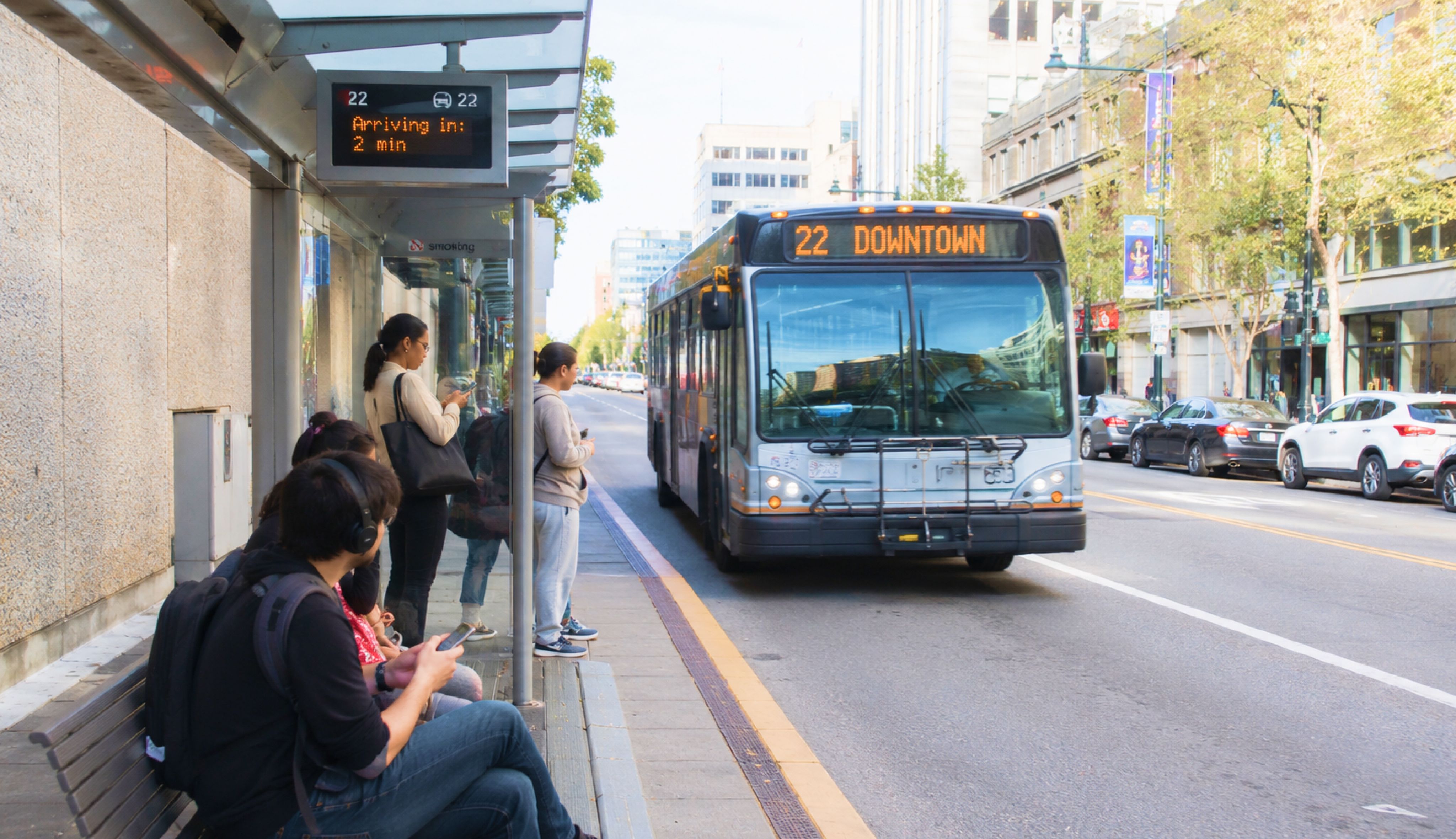
Transit agencies have spent decades planning around a predictable rhythm: heavy weekday commute peaks, light weekends, steady patterns year over year. That rhythm has broken down, and predictive transit analytics has become the tool agencies use to make sense of what replaced it. By pairing historical ridership data with real-time signals, agencies can forecast demand instead of reacting to it after buses are already full or routes sit empty.
Why Transit Demand Patterns Are Becoming Harder to Predict
Transit demand patterns are becoming harder to predict because hybrid work schedules and population shifts have broken the consistent rush-hour patterns agencies relied on for decades. Agencies once built schedules around steady Monday-through-Friday commute peaks. Hybrid work has fragmented that structure: ridership now often spikes unevenly across the week, with midweek days outpacing Monday and Friday demand by wide margins. Add population shifts toward suburban and exurban areas, plus one-off surges from concerts, sporting events, and festivals, and fixed schedules start failing riders exactly when service matters most. Agencies still planning around pre-pandemic ridership assumptions risk running near-empty vehicles during off-peak hours while leaving riders stranded during demand spikes nobody scheduled for.
Key Takeaway: Hybrid work has shifted weekly ridership peaks away from the traditional five-day commute pattern, and population shifts plus special events now create demand surges that fixed schedules cannot absorb.
What Predictive Analytics Means for Transit Agencies
Predictive transit analytics combines historical ridership records with real-time data feeds to forecast where and when passenger demand will occur before it happens. Instead of relying on last year's schedule, agencies use transit data analytics platforms that pull from fare card swipes, GPS vehicle tracking, weather feeds, event calendars, and mobile location signals. These inputs feed forecasting models that update continuously, so a transit ridership forecasting system can flag an unexpected demand spike hours in advance rather than after vehicles are already overcrowded. This moves agencies from reactive scheduling, adjusting only after complaints arrive, toward proactive passenger demand forecasting built on the variables actually driving today's ridership.
Key Takeaway: Predictive transit analytics blends historical ridership data with live inputs like GPS tracking and event calendars, giving agencies hours of advance notice instead of after-the-fact corrections.
How Agencies Can Use Demand Insights to Improve Service
Agencies use demand insights primarily to adjust service frequency and reposition vehicles toward the routes where forecasted demand is highest. When a smart transportation planning system flags rising demand along a corridor, dispatchers can add trips or shift vehicles from underused routes before crowding becomes a problem. Some agencies apply these forecasts to run short-term frequency increases around stadiums or convention centers hours before a crowd arrives, or to spot routes where demand is quietly growing, supporting longer-term route redesign.
Key Takeaway: Demand forecasts let agencies redirect vehicles and add frequency to high-demand corridors before overcrowding occurs, turning smart transportation planning into a proactive process rather than a reactive one.
What Are the Benefits of Predictive Planning for Transit Systems
Predictive planning improves transit operations mainly by reducing wasted vehicle-hours and cutting the overcrowding and delays caused by mismatched schedules. Agencies that forecast demand accurately can deploy fleets more efficiently, running fewer near-empty vehicles during low-demand windows while adding capacity where it is needed. That precision reduces bunching and gaps that cause delays, and it cuts the overcrowded conditions that push riders toward driving instead. Over time, transit data analytics also feeds back into budget planning, helping agencies justify service changes with ridership evidence rather than anecdote.
Key Takeaway: Predictive planning cuts wasted vehicle deployment and reduces overcrowding and delays, giving agencies a data-backed case for service changes instead of relying on guesswork.
Transit demand will keep shifting as work patterns, population centers, and event calendars continue to evolve. Agencies that invest in predictive transit analytics now build the forecasting capability needed to keep pace, turning unpredictable ridership into a planning advantage instead of a recurring scheduling headache.
Don’t Miss Out
Be the first to know about new developments in fleet management, public transportation solutions, and smart city applications.