How IoT-Enabled Parking Systems Reduce Downtown Congestion


Xenatech
April 1, 2026

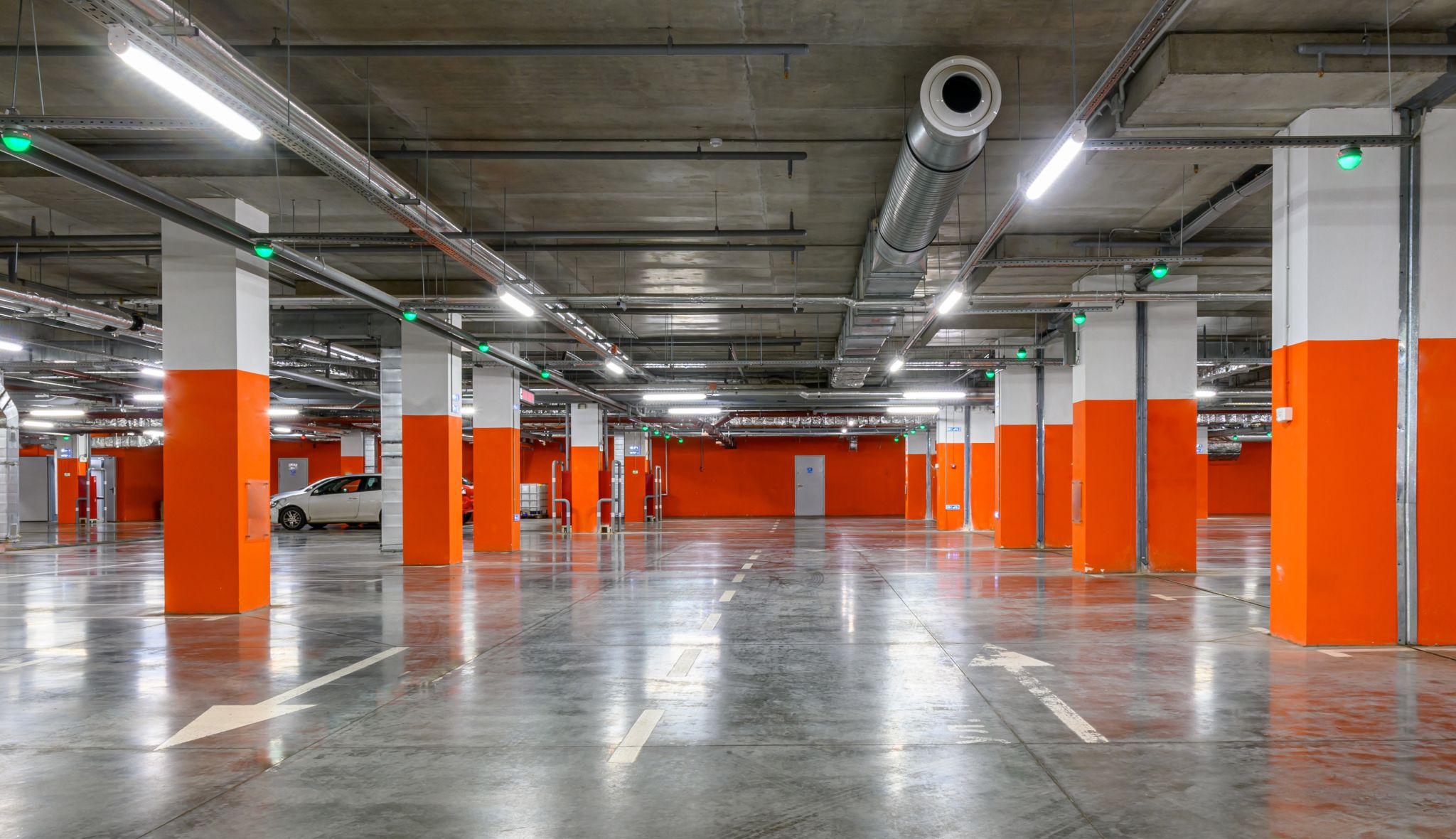
Finding parking in a busy downtown area is rarely straightforward. Drivers circle blocks, second-guess availability, and lose valuable time in the process. That uncertainty doesn’t just frustrate drivers—it adds unnecessary traffic to already congested streets.
IoT-enabled parking systems offer a smarter approach by bringing real-time visibility and coordination to how cities manage parking and flow within broader smart city infrastructure.
What Is an IoT-Enabled Parking System?
An IoT-enabled parking system uses connected sensors and software to detect whether parking spaces are occupied and share that information in real time. Sensors—placed in the ground, on meters, or mounted overhead—identify when a space becomes available or filled. That data is transmitted to a central platform, which processes it and distributes updates to apps, dashboards, or digital signage through integrated transportation solutions.
In many cases, this functions as a modern parking management system, giving cities and operators real-time visibility into parking availability and usage. These solutions are sometimes described as an automatic smart parking system using IoT, combining sensors, connectivity, and real-time data to support faster, more informed decisions.
The system works as a continuous loop: detect, transmit, process, and display. Instead of relying on static signage or guesswork, cities can provide dynamic, real-time visibility into parking availability. This creates a more responsive system that adapts to changing conditions throughout the day.
Why IoT-Enabled Parking Systems Matter
IoT-enabled parking systems create value on two levels: they improve the parking experience for drivers and help cities reduce unnecessary traffic.
A Better Experience for Drivers
Traditional parking relies on trial and error. Drivers often depend on memory, luck, or repeated loops through crowded streets to find an open space. This leads to delays, increased fuel consumption, and a frustrating end to what should be a simple trip.
With an IoT-enabled parking system, that experience becomes far more predictable. Drivers can view available parking before they arrive or receive guidance to nearby open spaces. Instead of circling, they move directly to a destination. The result is less time spent searching and a smoother overall journey.
Reduced Congestion in High-Demand Areas
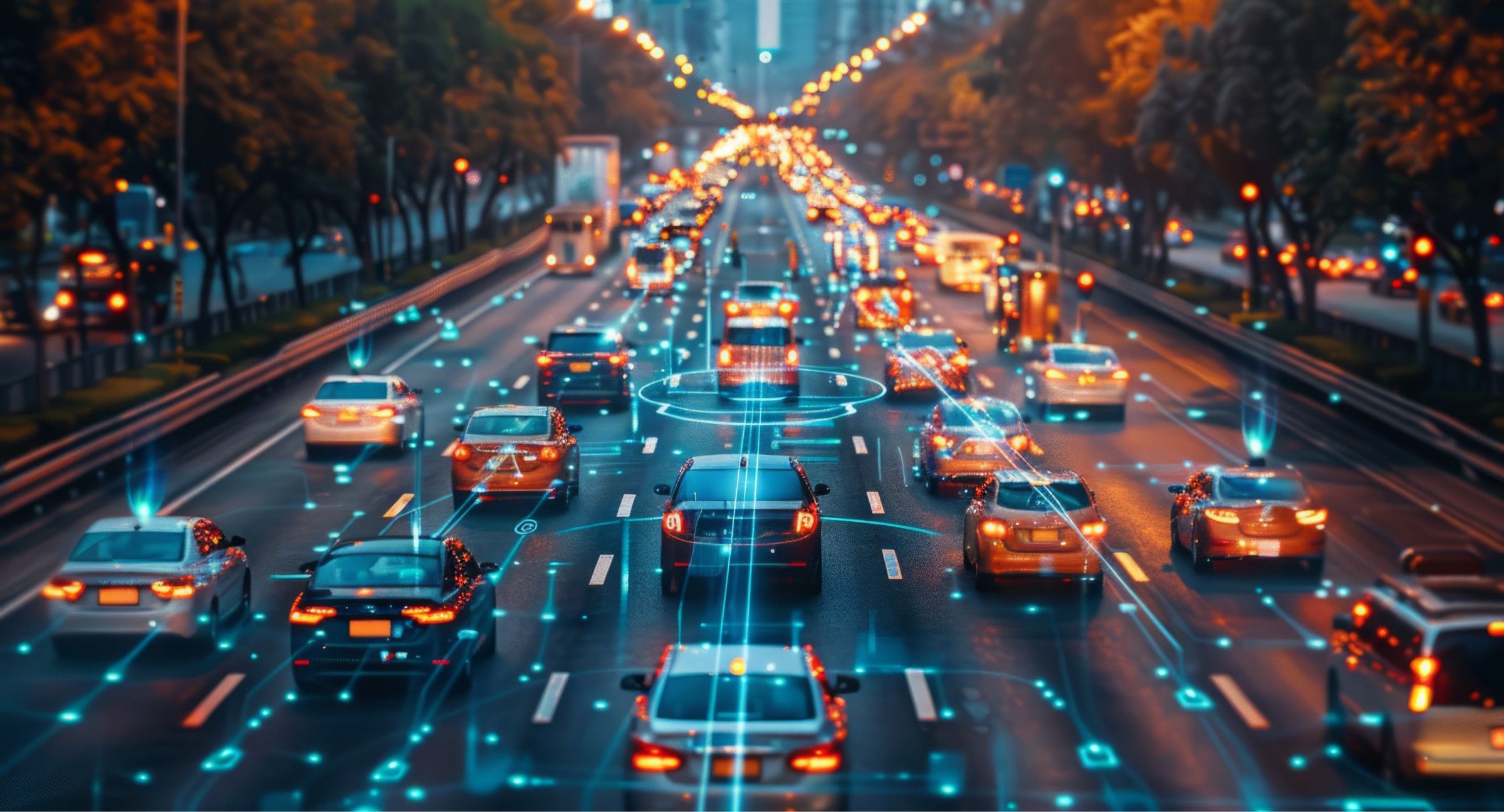
Cruising for parking is a major contributor to downtown congestion, with some studies estimating that about 15% of traffic is made up of drivers searching for a parking spot. When large numbers of vehicles are circulating without a clear destination, traffic slows and bottlenecks form—especially in dense commercial corridors and near transit hubs.
By helping drivers find parking faster, IoT-enabled parking systems reduce the amount of unnecessary driving on already busy streets. Fewer vehicles are looping through the same areas, which helps improve traffic flow, minimize delays, and reduce idling. Even small reductions in search time can have a noticeable impact on congestion in high-demand zones.
Smarter Systems, Stronger Cities
Beyond improving individual trips, IoT-enabled parking systems give cities a clearer picture of how parking is actually used. Real-time and historical data can reveal demand patterns, peak usage times, and underutilized areas. This insight allows city leaders to make more informed decisions about traffic management, infrastructure planning, and resource allocation.
Implementing these systems requires more than installing sensors. It involves integrating hardware, software, and existing city infrastructure into a unified solution that works at scale. Because every city operates differently, these systems often require custom-built solutions tailored to specific needs, priorities, and environments.
As cities look for practical ways to reduce congestion and improve mobility, connected technologies like IoT-enabled parking systems can support broader smart city goals and fit within larger automotive IoT ecosystems.
At XenaTech, we work with city governments to design and build custom IoT integrations that align with their goals and existing systems. If you’re ready to explore what’s possible, book a demo and start the conversation.
Don’t Miss Out
Be the first to know about new developments in fleet management, public transportation solutions, and smart city applications.