Passenger Information Data Systems: Smarter Transit, Happier Riders


Xenatech
December 2, 2025

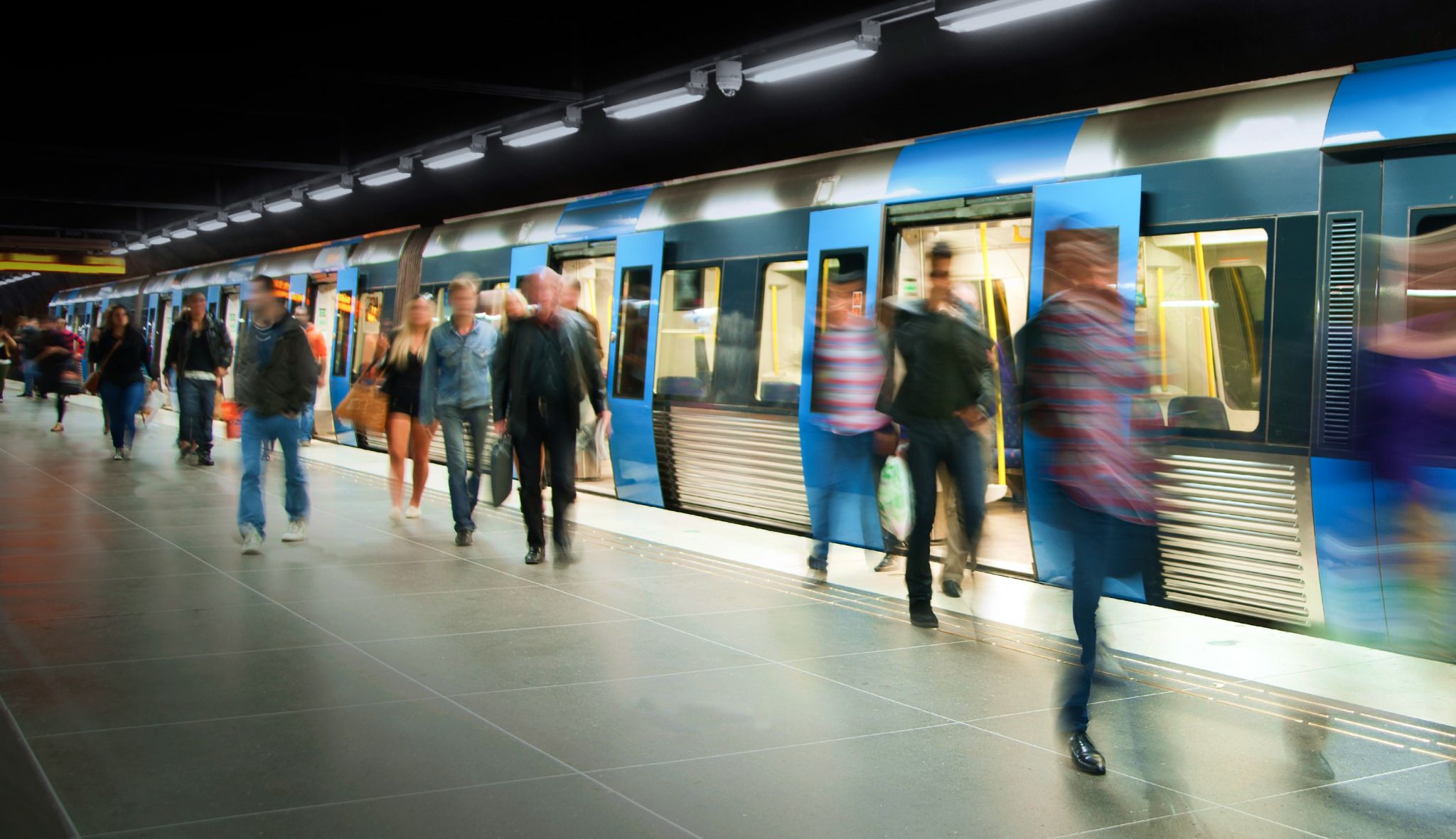
Overcrowded buses or trains and unpredictable schedules frustrate riders and strain transit agencies. A passenger information system (PIDS) solves that problem.
Transit operators gain the data they need to manage their network efficiently, while riders enjoy real-time updates for smoother, more reliable travel.
How a Passenger Information Data System Works
A PIDS uses on-board computers, GPS tracking, and advanced software to monitor a vehicle’s exact location and operational status. Beyond simple location tracking, a modern PIDS collects inputs from sensors such as real-time passenger counters and fare validation systems. This creates a comprehensive, dynamic view of the network.
This data stream is processed by a central control platform that then delivers real-time updates on routes, highly accurate predicted arrival times, seamless connections, and critical safety alerts. Updates reach passengers instantly via on-board screens, platform monitors, audio announcements, and mobile apps.
This allows transit agencies to respond quickly to delays or disruptions while keeping passengers informed every step of the way.
Benefits for Riders: Smoother, Safer Rides
Passenger information data systems create a higher degree of rider satisfaction:
- More comfortable rides: Real-time updates reduce overcrowding, creating a calmer, more pleasant journey.
- Smarter journey planning: Access to live information allows riders to adjust routes and schedules.
- Safer travel: Less crowded vehicles improve access, ventilation, and social distancing.
- Greater accessibility: Audio, visual, and mobile alerts support all passengers, including those with disabilities.
Benefits for Transit Agencies: Smarter Service, Happier Riders
For agencies, a PIDS improves operational efficiency while enhancing the experience for passengers. With the integrated XT-PIDS solution, for example, agencies see:
- Enhanced service planning: By analyzing location and occupancy data, agencies can optimize schedules and passenger flow during peak times, ensuring that service meets demand.
- Resource allocation: With insights into passenger flows and vehicle statuses, agencies can allocate resources more effectively, reducing operational costs and improving efficiency.
- Better rider experiences: Overall satisfaction with public transit services rises and can lead to increased ridership.
Our Passenger Information Data System Solution
XenaTech partners with transit agencies to implement PIDS solutions tailored to their networks. Our XT-PIDS system integration serves as a PIDS central interface, integrating with GPS units, third-party software, and other transit systems to provide a single, ADA-compliant platform for all rider communications.
XT-PIDS offers a full-featured Windows client as well as a web-based version. This flexibility allows agencies to manage data and communicate with passengers in real time. And it’s designed to grow with your transit system: whether you’re a small regional agency or managing a dense, urban network.
We’d Love to Show You How It Works
If you are ready to move beyond simply reacting to crowding and begin proactively managing your transit network, XenaTech is the partner you need.
Our passion lies in harnessing the power of innovation to drive practical outcomes—we specialize in taking your vision and combining it with our technical expertise to create custom, integrated solutions that perfectly meet your unique operational challenges.
Let’s explore how XT-PIDS can transform your operations. Schedule a demo.
Don’t Miss Out
Be the first to know about new developments in fleet management, public transportation solutions, and smart city applications.