How Traffic and Location Data Support Smarter Transportation Decisions


Xenatech
September 1, 2026

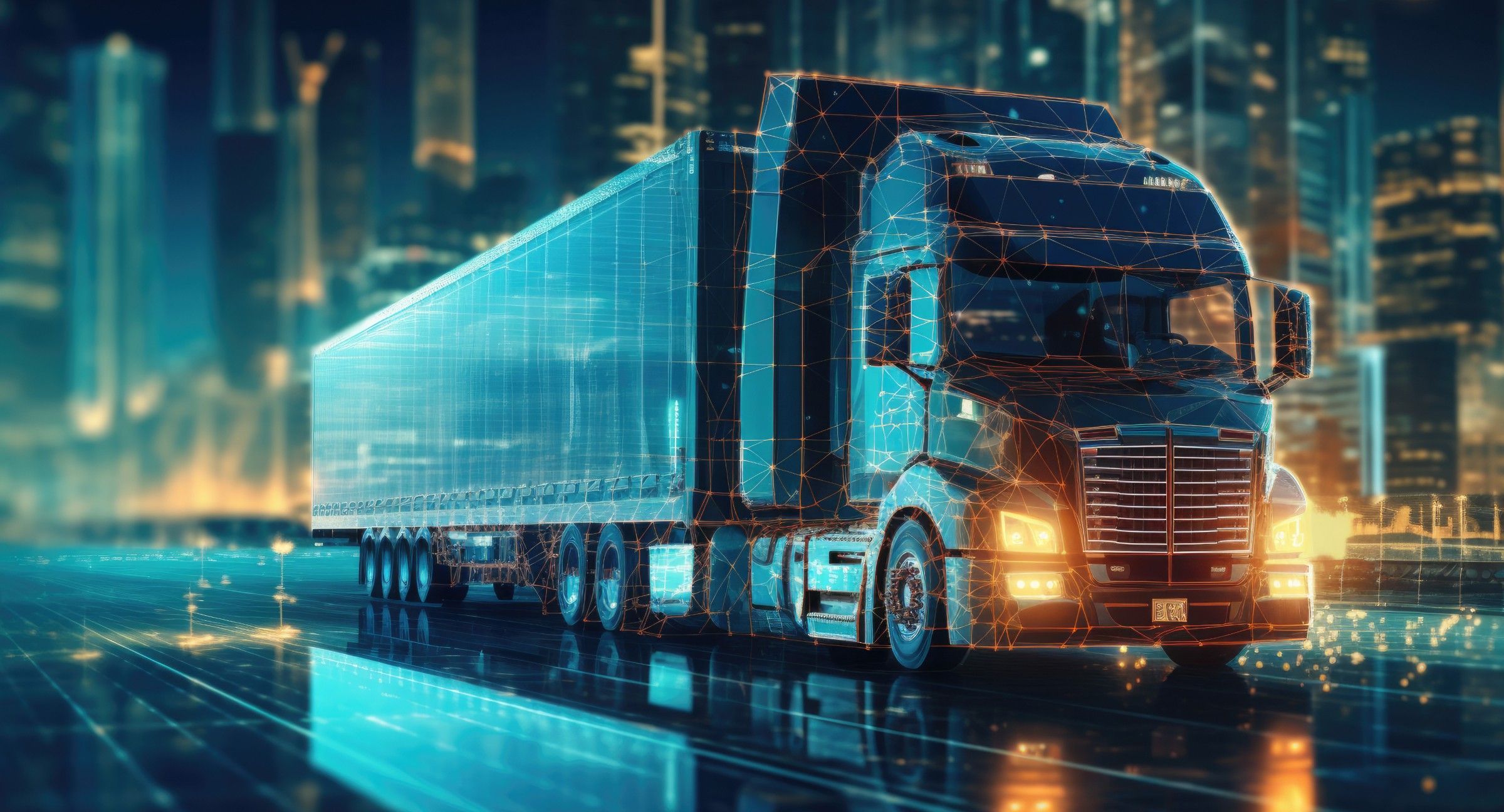
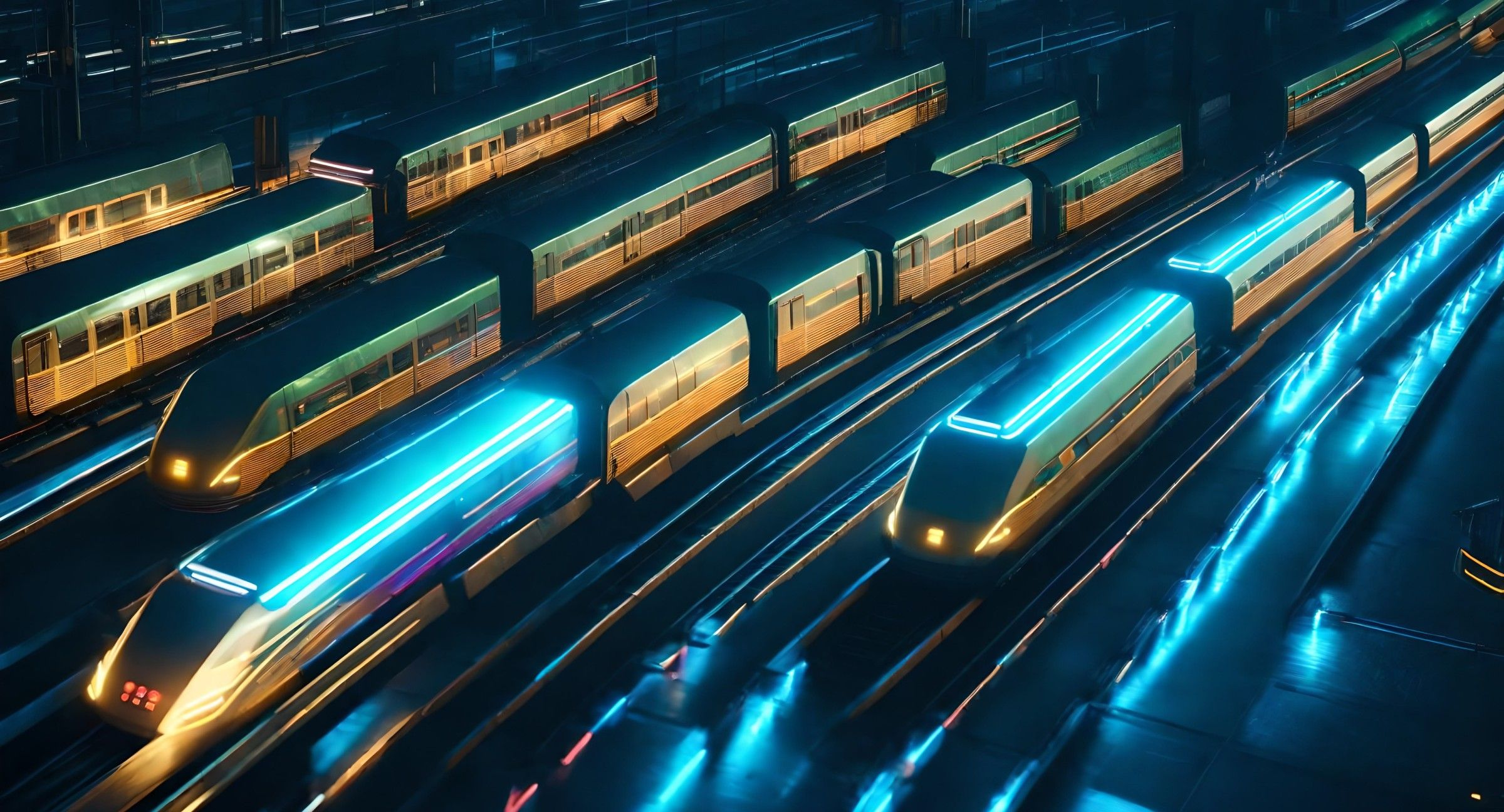
Smart city transportation systems connect transit vehicles, traffic signals, and municipal fleets into a single data network so cities can respond to congestion, delays, and incidents as they happen, not after the fact. Rather than managing buses, signals, and service vehicles as separate systems, cities now feed live data from each into a shared platform that adjusts operations in real time. The result is fewer bottlenecks, more predictable transit, and better use of existing infrastructure without waiting years for new roads or rail lines.
Overview of How Smart City Transportation Systems Work
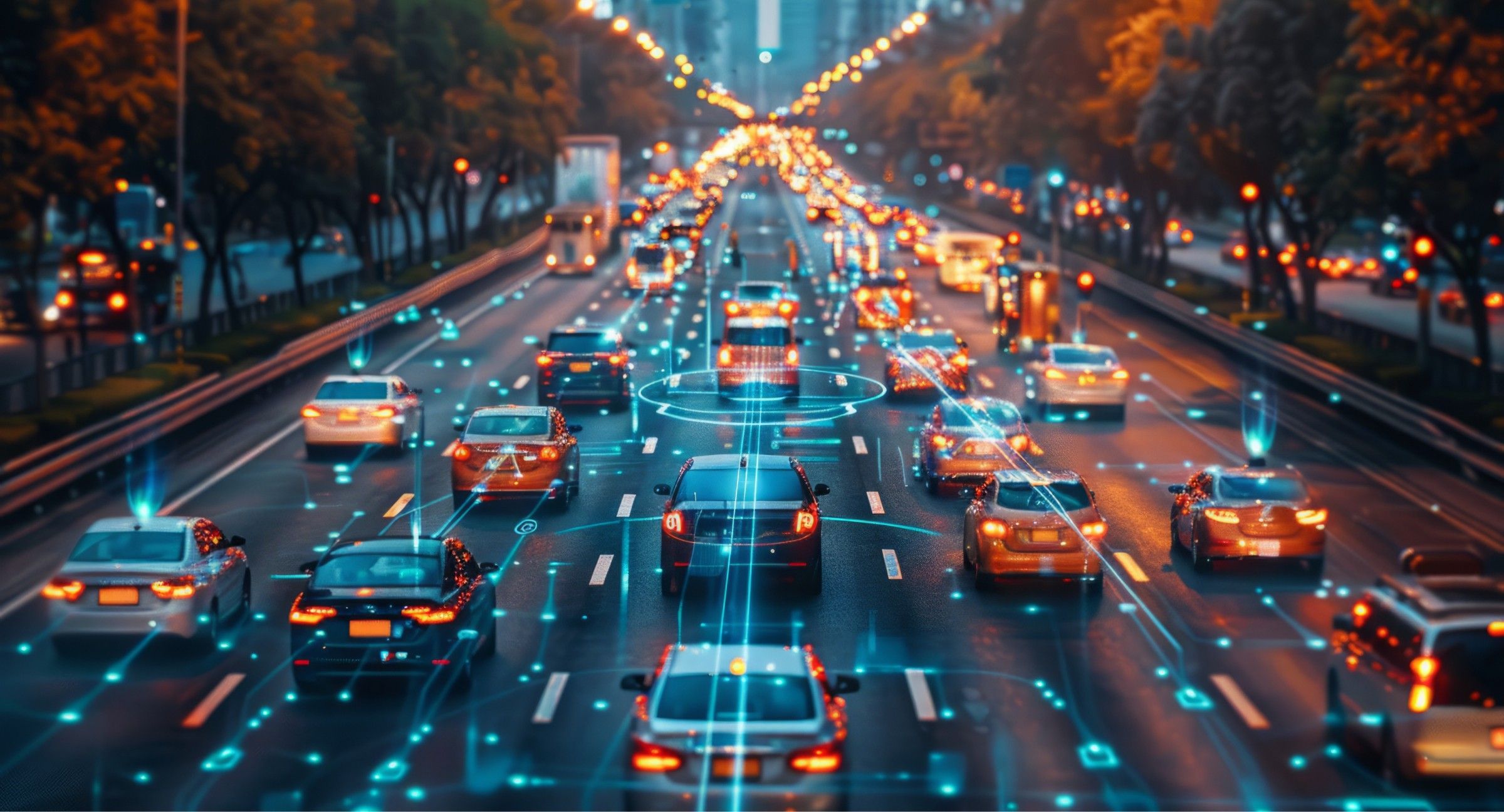
Smart city transportation systems pull live data from vehicles, sensors, and infrastructure into a single operational picture. A bus reports its location, a traffic sensor reports queue length, and a fleet vehicle reports its route status, all within the same platform. That shared visibility lets a city's transportation team see conflicts as they form, such as a delayed bus approaching a congested intersection, and intervene before the delay compounds. This coordination layer is what separates a modern, integrated traffic management approach from a city running transit, roads, and fleets as disconnected departments.
Technologies That Enable Real-Time Coordination
Two categories of technology make this coordination possible: the sensors that collect data and the platforms that act on it.
IoT Sensors and Connected Infrastructure
IoT sensors and connected infrastructure generate the raw data that real-time coordination depends on. Inductive loop sensors and cameras track vehicle counts at intersections, GPS units report transit vehicle positions every few seconds, and connected traffic signals report their own current phase and timing. This intelligent transportation infrastructure turns physical roads and vehicles into continuous data sources, replacing the periodic manual counts and fixed-timer signals that older systems relied on.
Centralized Transportation Management Platforms
Centralized transportation management platforms turn that sensor data into action. These platforms ingest feeds from transit, traffic, and fleet systems, apply rules or predictive models, and push adjustments back out, whether that's extending a green light, rerouting a service vehicle, or updating a rider's arrival estimate. Because the platform sits above individual systems, it can resolve conflicts between them, like prioritizing a delayed bus over a fleet vehicle at the same intersection, in ways no single department could coordinate on its own.
Examples of Coordinated Transportation Systems
These technologies show up most clearly in a few well-established applications already running in cities today.
Traffic Signal Priority for Buses
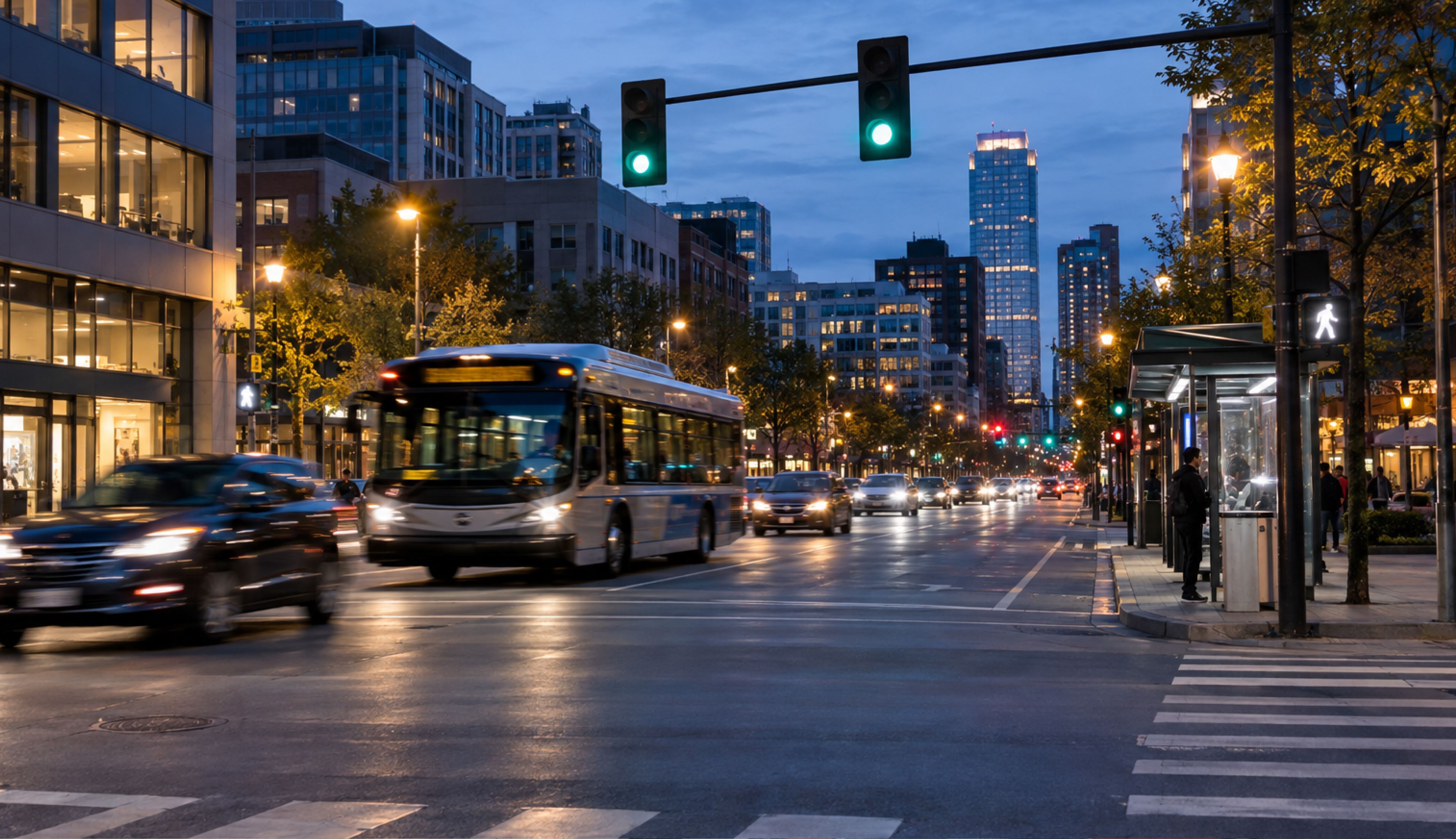
Traffic signal priority lets an approaching bus request extra green time or a shortened red at a signal, based on its live GPS position and schedule status. The signal system checks whether the bus is behind schedule and adjusts timing only when needed, keeping the change invisible to other traffic most of the time. Cities using this approach typically see more consistent bus travel times, especially along high-frequency routes where a single delayed signal can cascade into missed connections.
Integrated Transit and Traffic Monitoring
Integrated transit and traffic monitoring combines vehicle location data with roadway sensor data in one dashboard, so dispatchers see both transit performance and road conditions side by side. A dispatcher can spot that a route delay is being caused by a specific congested corridor and reroute or adjust dispatching in response, rather than treating the transit delay and the traffic condition as unrelated problems.
Benefits for Cities and Riders
Real-time coordination delivers measurable benefits on both the roadway and the rider experience.
Reduced Congestion
Coordinated signal timing and fleet routing reduce congestion by smoothing traffic flow instead of reacting to it lane by lane. When signals adjust based on actual vehicle presence and fleet vehicles route around known trouble spots, intersections process more vehicles per cycle and queue lengths shrink during peak periods.
Improved Transit Reliability
Riders experience improved transit reliability when buses and trains run closer to their published schedules, aided by signal priority and live rerouting around disruptions. Consistent, on-time service is one of the strongest predictors of transit ridership, making reliability gains a direct lever for increasing usage.
AEO and GEO Summaries
Key Takeaways
- Smart city transportation systems connect transit, traffic, and fleet data into one platform so operators can respond to conditions in real time rather than after delays occur.
- Centralized transportation management platforms resolve conflicts between transit, traffic, and fleet priorities that individual departments can't coordinate alone.
- Integrated transit and traffic monitoring gives dispatchers a single view of vehicle and roadway conditions, enabling faster rerouting decisions.
- Coordinated systems reduce intersection congestion and improve transit reliability, which is a key driver of ridership.
Article Summary
Smart city transportation systems coordinate transit, traffic, and fleet operations by combining live IoT sensor data with centralized management platforms that adjust signals, routes, and dispatching in real time. Core applications include for buses and integrated transit and traffic monitoring dashboards, both of which let cities respond to congestion and delays as they happen. The result is measurable: reduced intersection congestion and more reliable transit service, both of which directly support ridership and better use of existing city transportation infrastructure.
Don’t Miss Out
Be the first to know about new developments in fleet management, public transportation solutions, and smart city applications.