How On-Board Video Analytics Improves Passenger Security


Xenatech
December 2, 2025

Often, when an incident happens onboard a bus, train, or other transit vehicle, the biggest problem isn’t the incident itself. It’s the lack of clarity that follows, leaving operational teams asking the same frustrating questions:
- What actually happened?
- When did it start?
- Who was affected?
- Why didn’t we know sooner?
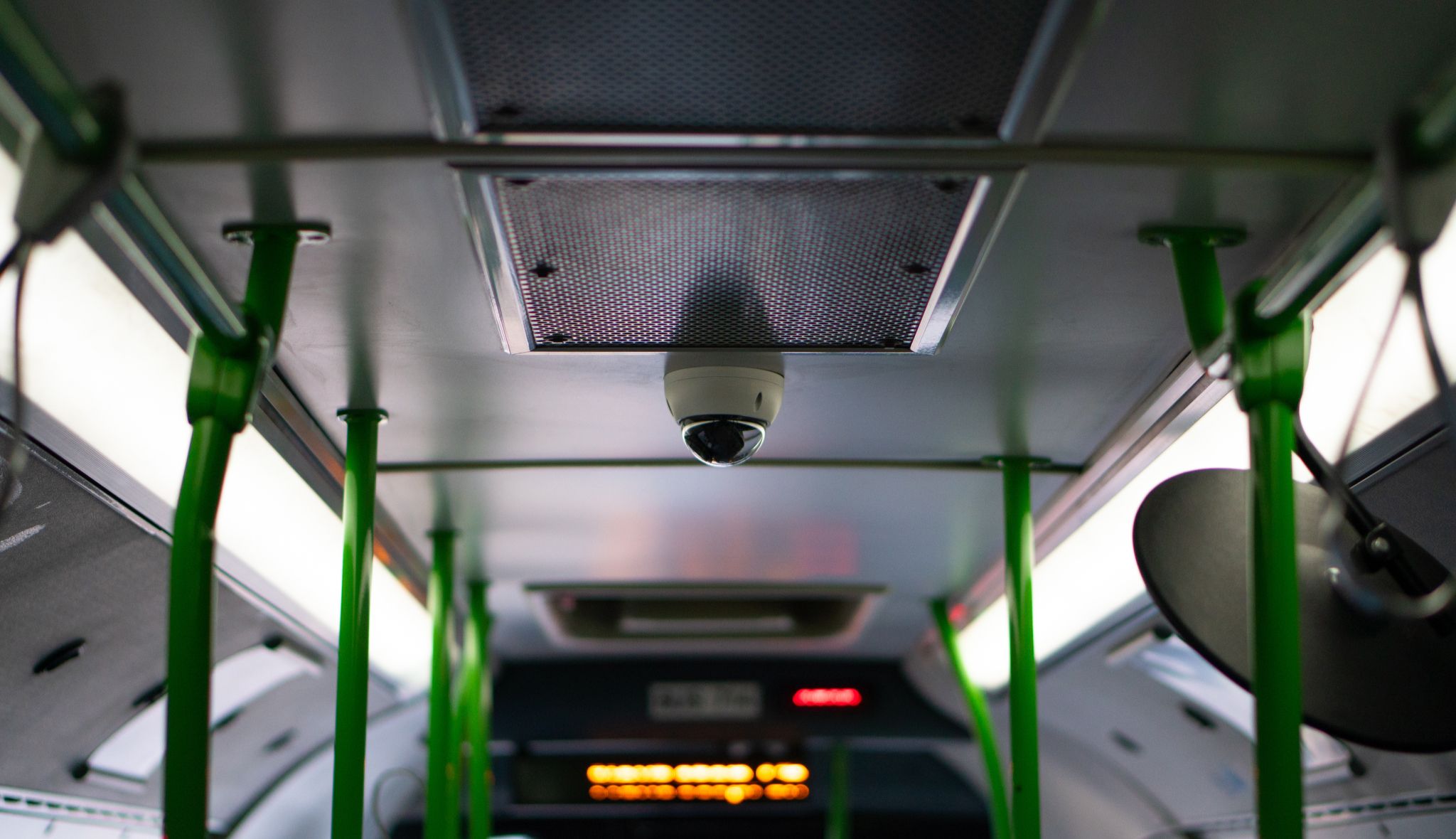
Video alone can give operational teams partial insight, but without being connected to operational data, that insight is often limited. The solution? On-board video analytics. Here’s how it works.
Why Video Alone Isn’t Enough
On-board cameras have been part of transit systems for years. Yes, they capture useful footage, but that footage often lives in a separate system. And when video exists in isolation, teams are forced to piece together what happened after the fact using:
- Timestamps
- Radio logs
- Reports
- And memory
That process is slow, inefficient, and often incomplete. This is where integration makes all the difference.
When video data is tied to vehicle location, times, and onboard systems, teams can understand what’s happening as situations unfold—not just after they’re over.
But here’s the thing: This kind of integration doesn’t just happen. It requires connecting video feeds, passenger analytics, and onboard systems into a single view.
XenaTech bridges that gap by integrating onboard systems and operational data. The result? Agencies are finally able to turn fragmented information into actionable insights.
Here are some of the benefits.
Go From Reactive to Proactive
Without integrated systems, teams are often unaware of onboard issues until after service has already been disrupted or passengers have been affected.
When on-board video is viewed alongside passenger analytics and occupancy data, teams can see overcrowding or unusual activity sooner.
That early visibility gives agencies more time to respond, adjust operations, or send help before a minor situation turns into a disruptive event.
Faster Emergency Response
When an incident does occur, response time and clarity matter.
If video footage is disconnected from operational systems, teams may be forced to rely on radio calls or secondhand reports to understand what’s happening onboard. That can slow response and lead to miscommunication.
When on-board video is integrated with operational data, teams have immediate context: They can see what’s happening, where it’s happening, and how conditions are changing. That translates into faster, more confident responses.
More Clarity in Critical Moments
After an incident, teams need to understand exactly what happened and when.
When video is integrated with operational data, footage aligns with vehicle location and timing, making incidents easier to review and document.
That clarity helps teams make informed decisions, such as where additional staff are needed, which routes or times require changes, and how onboard issues should be handled going forward.
Better Passenger Security Starts with Better System Integration
Tired of disconnected systems? Need clearer insight into what’s actually happening onboard? That’s what XenaTech offers. Our integrated systems help transit agencies bring video, passenger data, and operations together so teams can see issues sooner. If you’re ready to improve clarity across your systems, contact us today!
Don’t Miss Out
Be the first to know about new developments in fleet management, public transportation solutions, and smart city applications.